


For some people, the fear of seasickness is the number one reason to rule out a cruise—even if they have long been tempted by the idea of an exciting voyage at sea. The good news is that there are plenty of ways to prevent or manage seasickness, as this article explains.
An estimated 20 to 30 percent of cruise passengers experience seasickness at some point during their trip. But what exactly causes it? Who is most susceptible? And what can you do to prevent it, both before setting sail and while onboard?
What Exactly Is Seasickness?
Seasickness is a form of motion sickness, also known as kinetosis. It occurs when the body’s balance system receives conflicting sensory information.
As the ship moves, the vestibular system in the inner ear constantly registers motion. But the eyes may signal that everything is stationary—for example, when you’re looking around your cabin or staring at a screen. This so-called sensory conflict confuses the brain and can trigger a cascade of unpleasant symptoms:
- Nausea
- Dizziness
- Pale skin
- Cold sweats
- Vomiting
- Fatigue or general weakness
- Difficulty concentrating
Essentially, seasickness is an ancient protective mechanism. When the brain receives such conflicting signals, it may interpret them as signs of poisoning and attempt to rid the body of potential toxins through vomiting.
It’s an overly cautious response—and unfortunately, one that often kicks in at precisely the wrong moment: when you’re trying to enjoy a relaxing cruise.
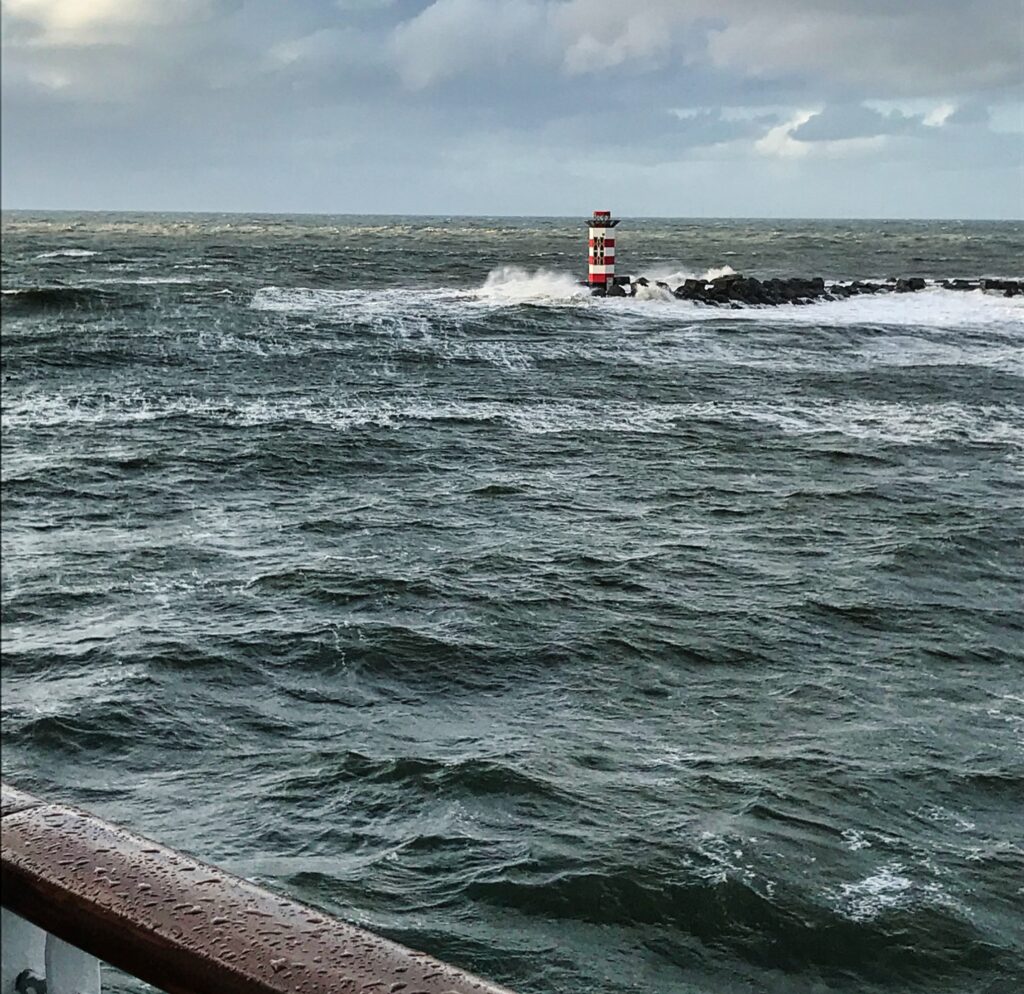
Seasickness: Who Is Most at Risk?
In principle, anyone can get seasick, including experienced sailors and ship captains. It has little to do with experience or willpower and much more to do with individual susceptibility and a person’s physical condition at the time.
Groups at higher risk include:
- Children between the ages of 2 and 12: Their balance systems are particularly sensitive during this stage of development. Interestingly, children under the age of two may be surprisingly resistant to motion sickness.
- Women: Susceptibility can increase during menstruation, pregnancy, and menopause. Hormonal fluctuations appear to heighten sensitivity to motion.
- People with migraines: Those who suffer from recurring migraines statistically face a higher risk of seasickness. One possible explanation is that the brain’s processing of sensory information is already more sensitive or disrupted.
- People who are sleep-deprived, stressed, or experiencing stomach problems: A tired or already irritated body is more likely to respond to external stimuli with nausea.
- First-time cruisers: People who have never been on a ship may naturally be more susceptible. However, seasickness can return even after years of sailing, particularly in rough seas or when other health factors are involved.
Why Do Even Experienced Sailors Sometimes Get Seasick?
A common misconception is that people can become completely immune to seasickness. While the body can gradually adapt to the ship’s regular movements—a process known as habituation—this adaptation can be disrupted at any time by external or internal factors.
- Changing sea conditions: Sudden weather changes or heavy swells can overwhelm even well-adapted balance systems.
- Physical exhaustion: Being sick, tired, or dehydrated can make you more susceptible.
- Symptoms returning after a long break: Even seasoned cruisers may experience seasickness again after spending several years on land.
- Anxiety and anticipation: Worrying about getting seasick can increase stress and tension, inadvertently making symptoms more likely.
Can You Prevent Seasickness?
There is no guaranteed way to prevent seasickness entirely, but several proven strategies can significantly reduce the risk.
Choose the Right Cabin
Whenever possible, book a cabin near the middle of the ship and close to the waterline. This is where the ship’s movements tend to be least noticeable. Avoid cabins at the very front or rear, where the rocking and pitching motions are generally more pronounced.
Keep Your Eyes on the Horizon
Spend as much time outdoors as possible and focus on the horizon. This helps your brain make sense of the ship’s movements and reduces the sensory conflict that can trigger nausea.
Watch What You Eat Before and During the Cruise
Avoid heavy, greasy meals and excessive alcohol before boarding. Make sure you drink enough water and eat small, easily digestible meals and snacks throughout the day.
Many people swear by plain crackers, pretzels, or green apples to help settle an unsettled stomach.
Get Plenty of Sleep and Rest
Make sure you get enough sleep before and during your cruise. Try to minimize stress and avoid unnecessary physical exertion.
Consider Preventive Medication
Medications such as dimenhydrinate (e.g., Dramamine) or scopolamine (often available as a transdermal patch) are commonly used to prevent motion sickness. They are generally most effective when taken before symptoms begin.
Consult a healthcare professional before using these medications, particularly if you’re traveling with children or have an underlying medical condition.

Try Alternative Remedies
Ginger, whether taken as tea, capsules, or candied ginger, may help relieve mild nausea.
Acupressure wristbands, such as Sea-Bands, apply pressure to the P6 (Neiguan) point on the inner wrist. Some users report positive results, although scientific evidence of their effectiveness remains mixed.
What Should You Do If Seasickness Strikes?
If seasickness sets in, taking action quickly can help prevent symptoms from getting worse.
Change Your Position
Head outside for some fresh air and focus on a stable reference point, ideally the horizon. Alternatively, lie flat on your back and close your eyes.
Take Slow, Deep Breaths
Calm, controlled breathing can help ease feelings of anxiety and discomfort.
Avoid Reading and Looking at Screens
Focusing on stationary objects, such as books or phone screens, can intensify the sensory conflict and make symptoms worse.
Drink Small Amounts of Fluid
Take small sips of water or ginger tea to help maintain your fluid balance, particularly if you’ve been vomiting.
Take Medication if Needed
If you haven’t taken preventive medication, certain treatments, including dimenhydrinate tablets or suppositories, may still help once symptoms have started. Check the product instructions or consult the ship’s medical staff before taking medication.
Some cruise lines also have dedicated medical facilities onboard where passengers can receive treatment for seasickness.
How Long Does Seasickness Last?
In most cases, seasickness improves after one or two days as the body gradually adjusts to the ship’s movements. Many passengers report feeling significantly better after their first night onboard.
And, of course, the symptoms usually disappear once you step back onto solid ground.
However, severe cases or particularly rough sea conditions can cause symptoms to persist for longer. If this happens, it’s a good idea to seek medical advice from the ship’s medical team.
The Bottom Line: Seasickness Is No Reason to Give Up on Cruising
Seasickness can be unpleasant, but it is generally temporary and not dangerous. The key is not to ignore the symptoms but to take proactive steps to manage them.
Whether you opt for natural remedies, medication, or simple changes in your daily routine, there are plenty of ways to make your cruise more comfortable.
Want to know which cabin is best when the seas get rough? Read our guide: The Best Cruise Ship Cabin for Rough Seas
 Carnival Sets Its Sights on Smaller Ship Classes
 Where Is the Best Cabin on a Cruise Ship When the Seas Get Rough?
 Royal Caribbean Cruise Ship Classes: A Complete Guide to the Fleet