

Almost every cruise ship passenger has heard emergency codes announced over the ship’s public address system at some point. However, most people don’t realize that these are emergency codes or know exactly what they mean. One of the most frequently heard announcements is “Code Alpha, Code Alpha, Code Alpha.” This code is used relatively consistently across the cruise industry and, on many cruise ships, indicates a serious medical emergency, such as a passenger suffering a heart attack.
However, there are no mandatory or universally standardized emergency codes that all cruise ships are required to use. Each cruise line has its own system of emergency codes. For example, U.S.-based cruise lines often use “Code Blue” to announce a medical emergency, just as many hospitals in the United States do. Carnival Cruise Line, on the other hand, uses the term “Bright Star” for this type of emergency.
If an emergency response team equipped with a stretcher is needed, “Team Sierra” is called. Emergency codes are designed to quickly alert rescue teams and specially trained crew members and direct them to a specific location on board. In most cases, this is done discreetly via pager, radio, or telephone. However, when an emergency requires an immediate response, the officer on watch on the bridge may use the ship’s public address system, making the announcement audible to passengers as well.
To avoid alarming guests or causing panic, coded words are used for these emergencies. Only crew members who have received the appropriate training know how to interpret them correctly. If a situation directly affects a large number of passengers, the bridge will issue a straightforward announcement instead. As a general rule, if an emergency code is accompanied by a specific location on the ship, passengers should stay away from that area. This helps prevent people from blocking emergency access routes, which can already be quite narrow on a cruise ship.
Fire on Board
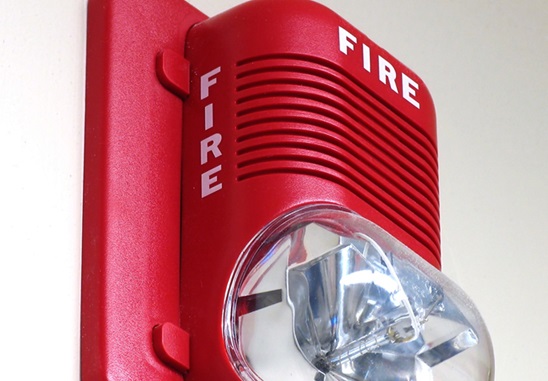
The code passengers least want to hear on a cruise ship is “Code Bravo.” It generally indicates a fire and alerts crew members trained as the ship’s firefighting team to respond to the scene.However, “Code Bravo” does not always mean there is a fire on board. Some cruise lines use Bravo as their code for “Man Overboard.” On Cunard Line ships, a fire on board is announced as “Priority 1.”
Man Overboard
Most U.S. cruise lines use “Code Oscar” to signal a man-overboard situation. The announcement is usually followed by a directional indication, such as starboard or port, to identify the side of the ship from which the person went overboard. Other cruise lines, however, use “Code Bravo” for this type of emergency. The man-overboard code is relatively rarely heard over the ship’s public address system because it is only used when someone has directly witnessed the person falling or jumping overboard, leaving no doubt that they have gone into the water. In an actual man-overboard emergency, the ship’s horn may also sound three prolonged blasts as a warning signal.
Other Emergency Codes
On U.S. cruise ships, “Code Adam” is announced when a child is missing. This does not necessarily mean the child has fallen overboard. Rather, it indicates that parents or other responsible adults have been unable to locate the child for some time. “Code Charlie” is used on almost all cruise ships to summon security personnel to a particular location. The reasons can vary widely, ranging from disruptive or unruly passengers to a crime committed on board. “Code Red” sounds much more dramatic than it actually is. On some ships, it is used to inform the crew of a confirmed outbreak of norovirus on board. If there is an unconfirmed suspicion of norovirus and precautionary measures need to be implemented, “Code Orange” may be announced instead.
Further information on maritime safety: